
🏢 Virtual Software for Insurances
Full-stack Engineer - Delphi / MEAN 📅 May 2013 – Mar 2015
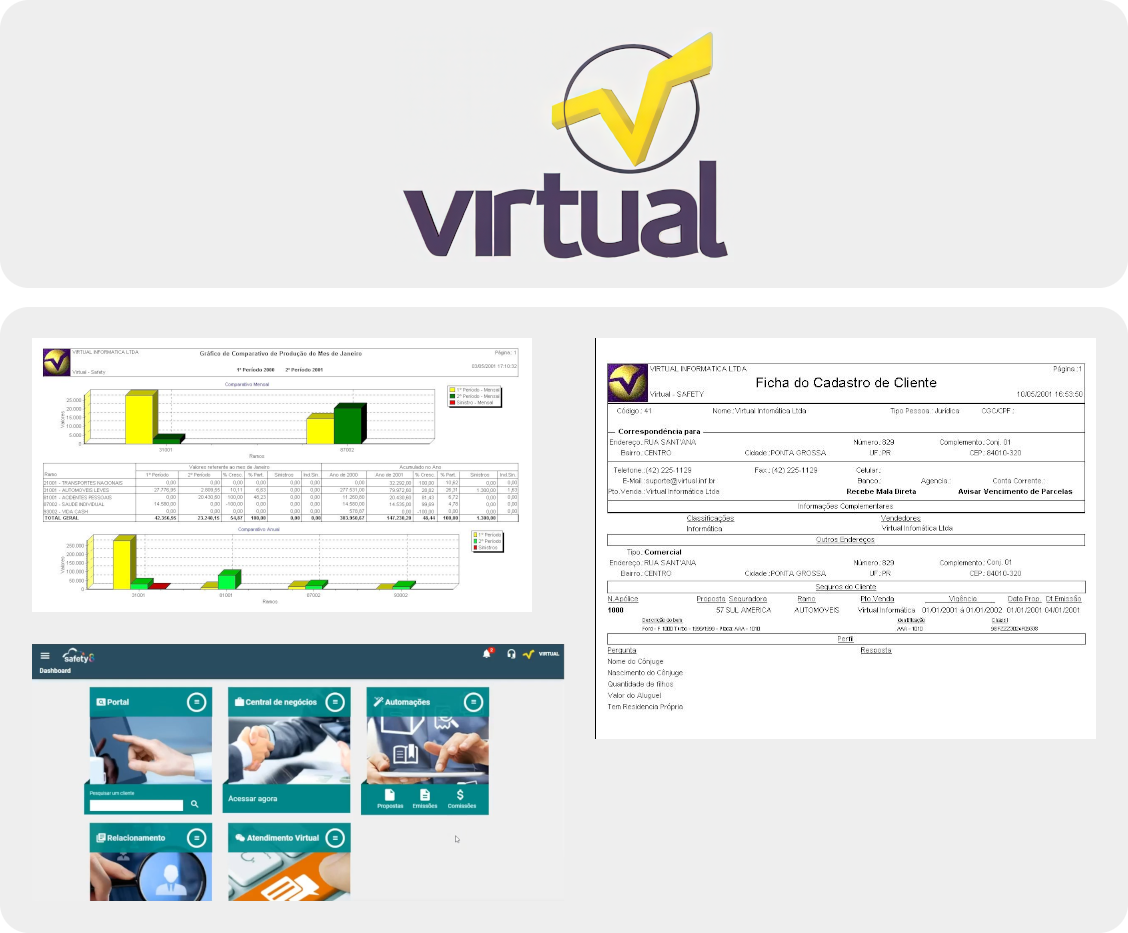
🌲 Project Treemap
Unavailable due to development constrained on the company internal environment.
🧱 Tech Stack
- Languages: Delphi, JavaScript, TypeScript, SQL, HTML
- Frontend: AngularJS
- Backend: Node.js
- Databases: MongoDB, Microsoft SQL Server
- Reporting: QuickReport, Dephi
- Project Management: Scrum
🌟 STAR Cases
STAR Case - Code Ossification
Situation
The insurance management system relied on a Delphi-based PDF parser that converted files into plain text and navigated fields using company-made custom parse functions.
For more than a decade, the team maintained this fragile approach, a clear case of code ossification that prevented simpler and more maintainable solutions like regular expressions from being adopted.
Task
Enable reliable automated extraction of data without breaking existing parsers.
Action
After a few months adjusting the parser through the company’s custom functions, I proposed introducing regular expressions to simplify data extraction. The idea faced initial resistance due to years of code ossification and comfort with the old cursor logic.
After repeated attempts and personal insistence, I finally got approval to add the regex function to the core parser. Once integrated, it quickly proved its value, successfully parsing complex document sequences that previously required extensive manual position tracking.
With those results, I was asked to help the team on writing and maintaining regex-based extraction rules for other document schemas, formalizing pattern usage as the new standard for PDF parsing within the system.
Results
- Stabilized PDF extraction logic: improved fragile custom parsing with regex-driven matching, eliminating data loss from manual offsets.
- Reduced maintenance overhead: legacy functions were gradually deprecated, simplifying debugging and onboarding for new developers.
- Improved document coverage: the new regex parser handled multiple schema variations that were previously unsupported by cursor logic.
- Enabled team-wide adoption: after internal training, regex usage became a standard practice for all document parsing routines.
- Transformed legacy mindset: the function broke a decade of code ossification, proving modernization could happen without risking stability.